
Hair Transplantation in Turkey with the Latest Techniques!
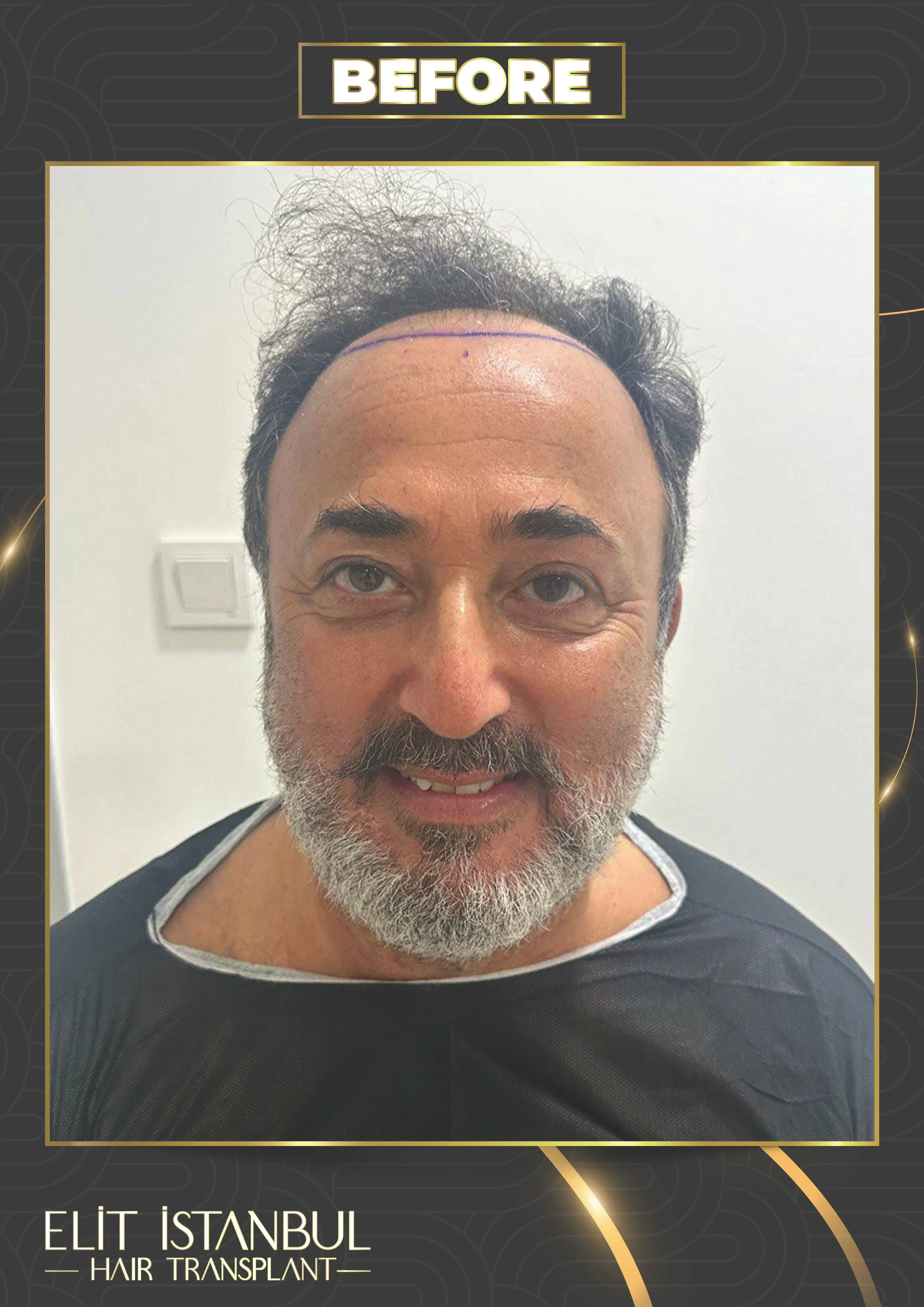
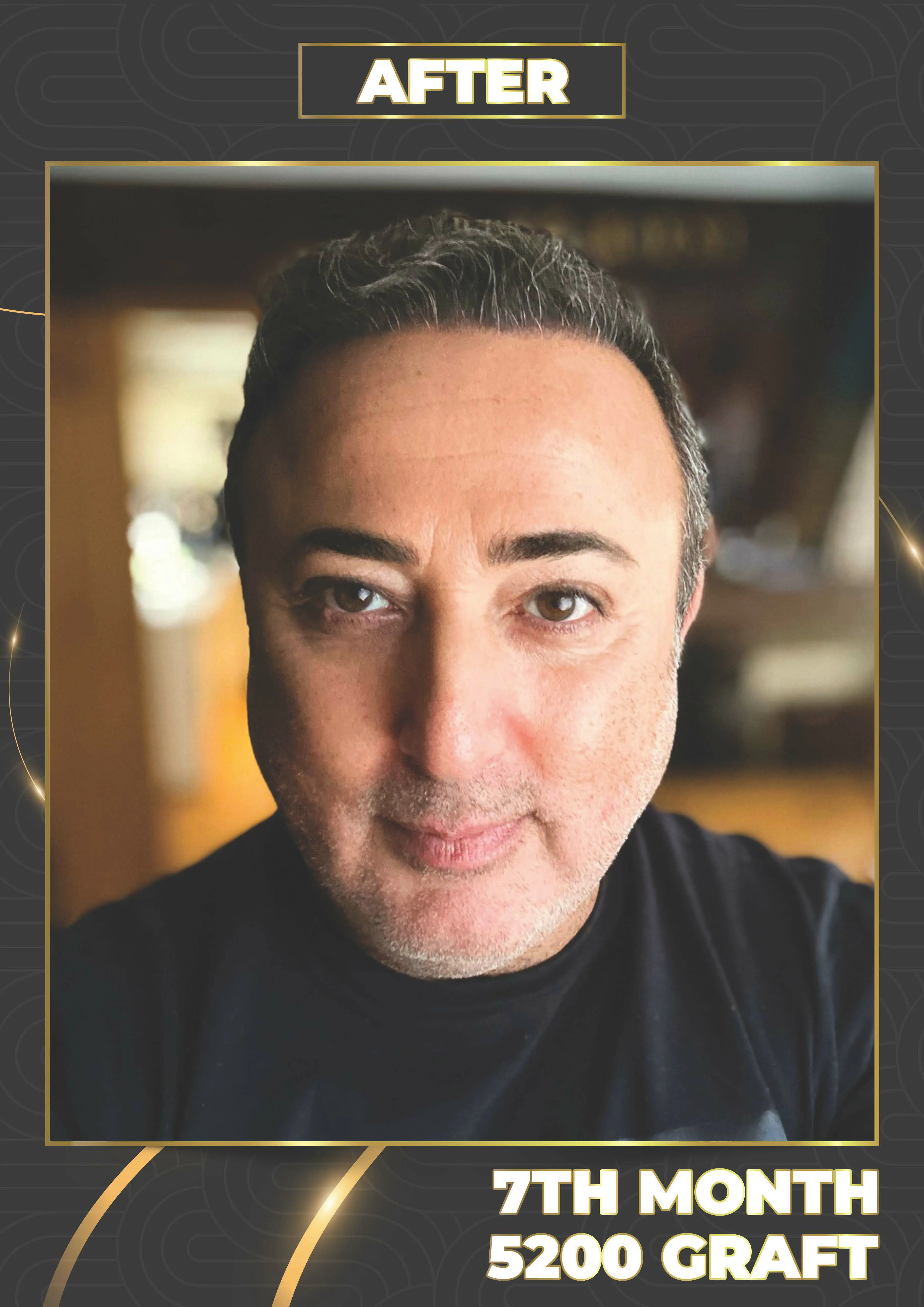
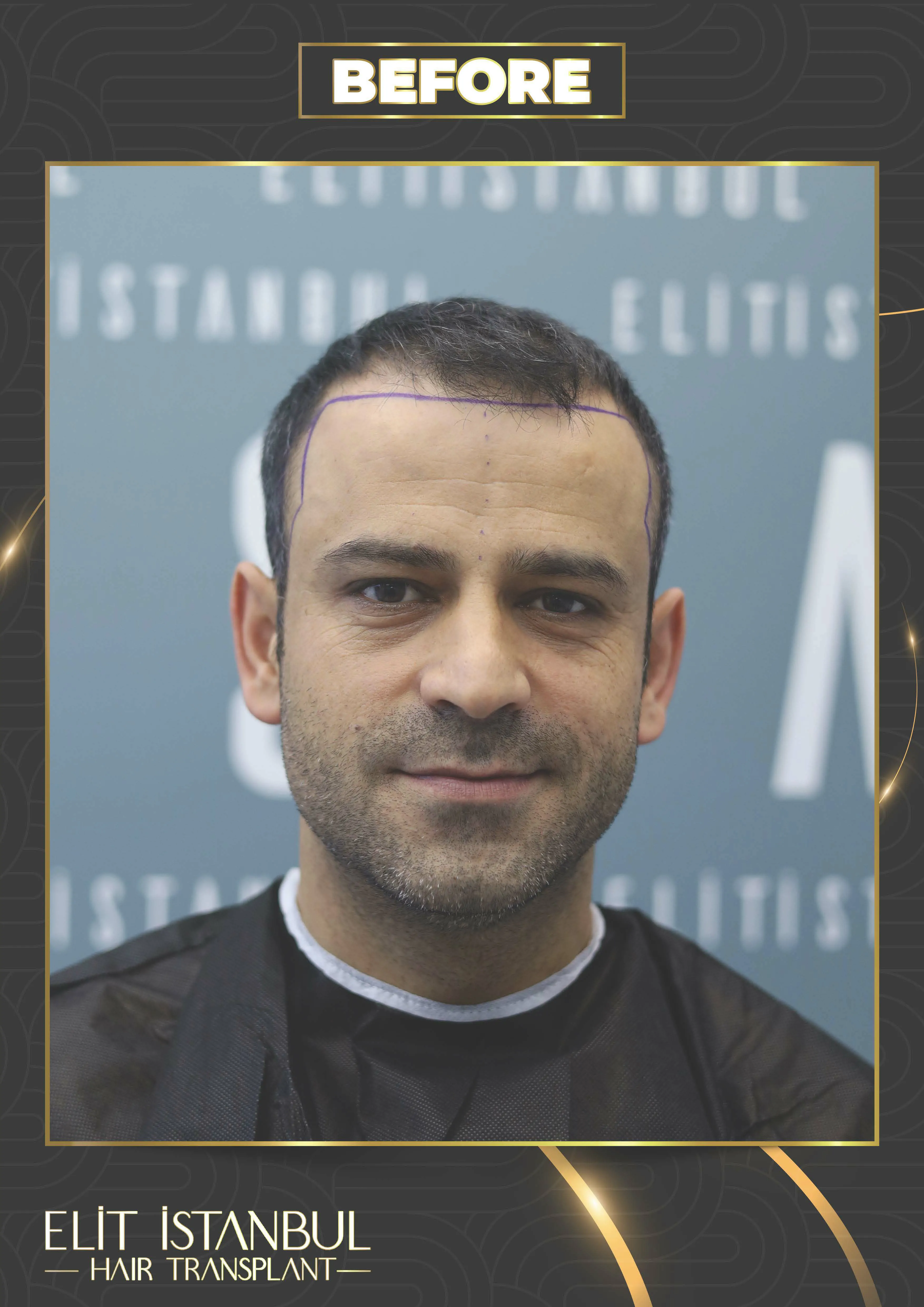
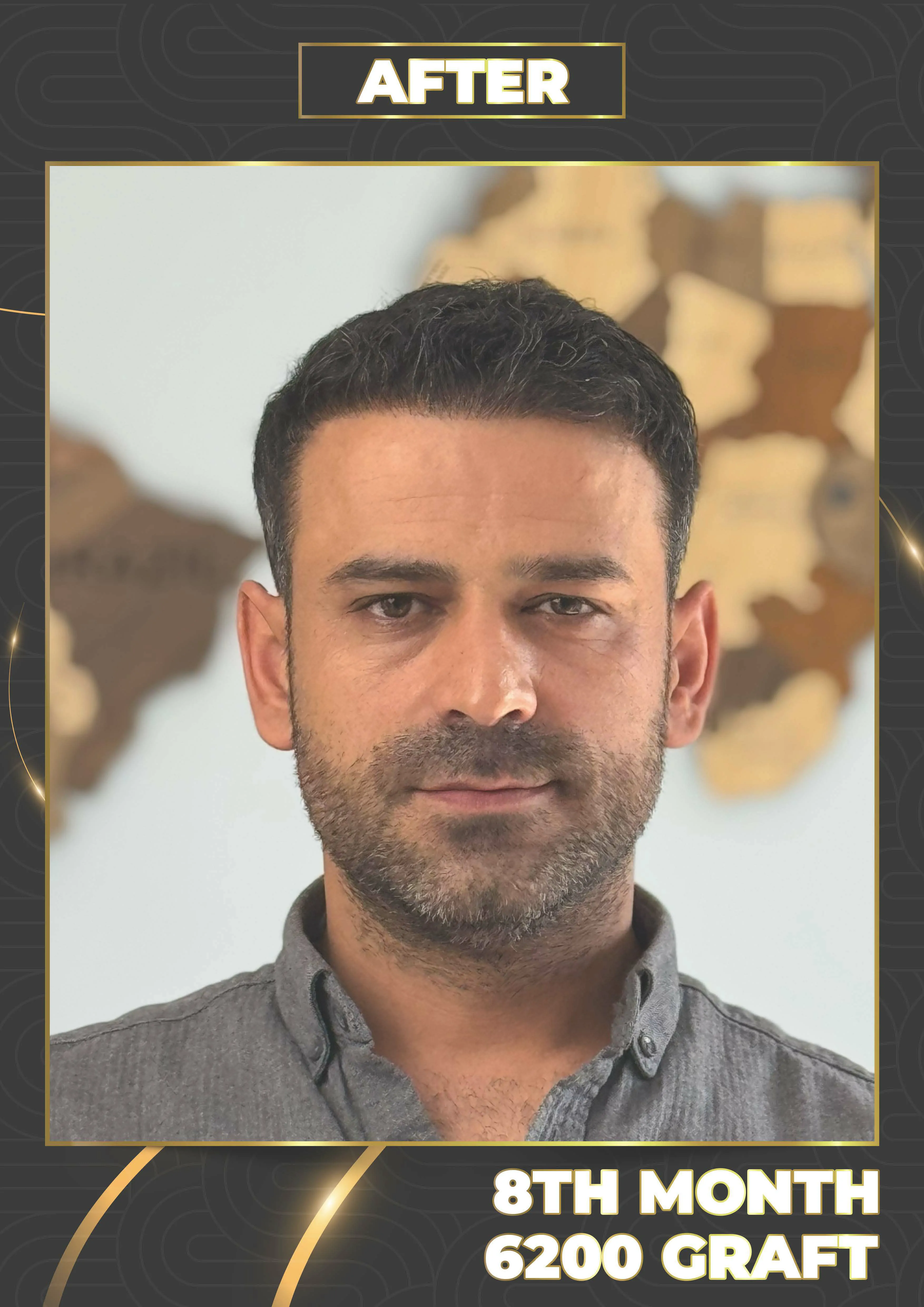
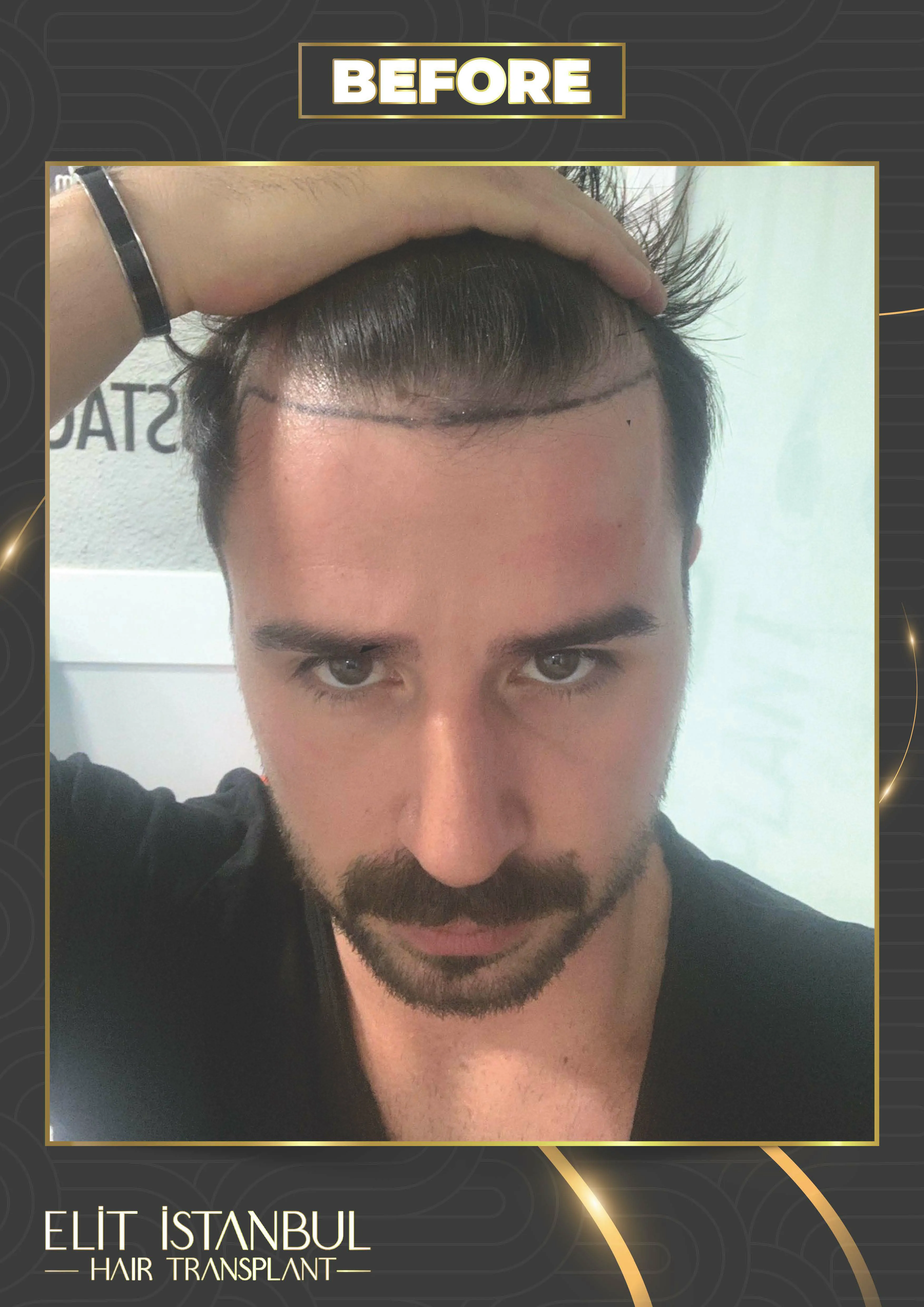
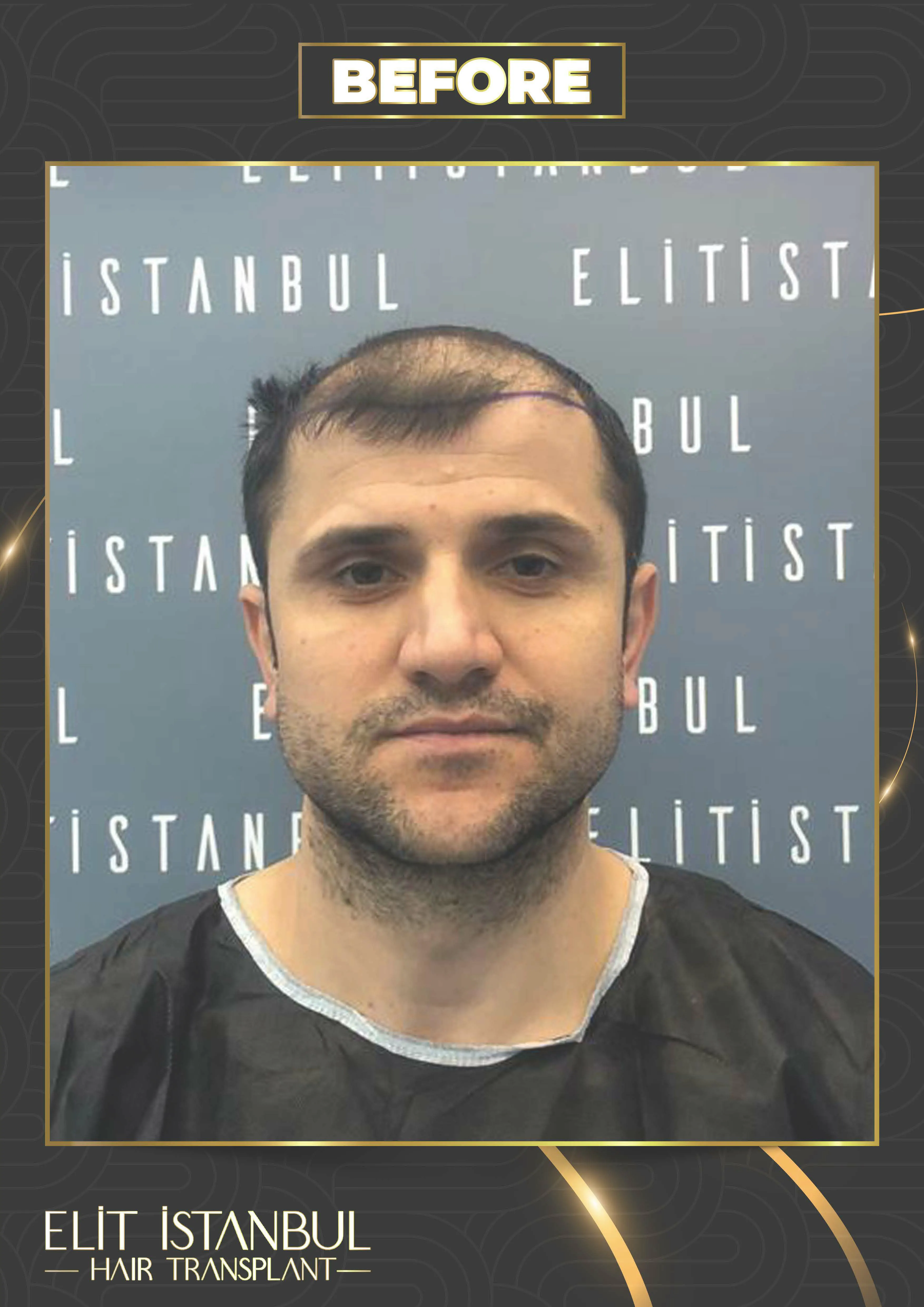
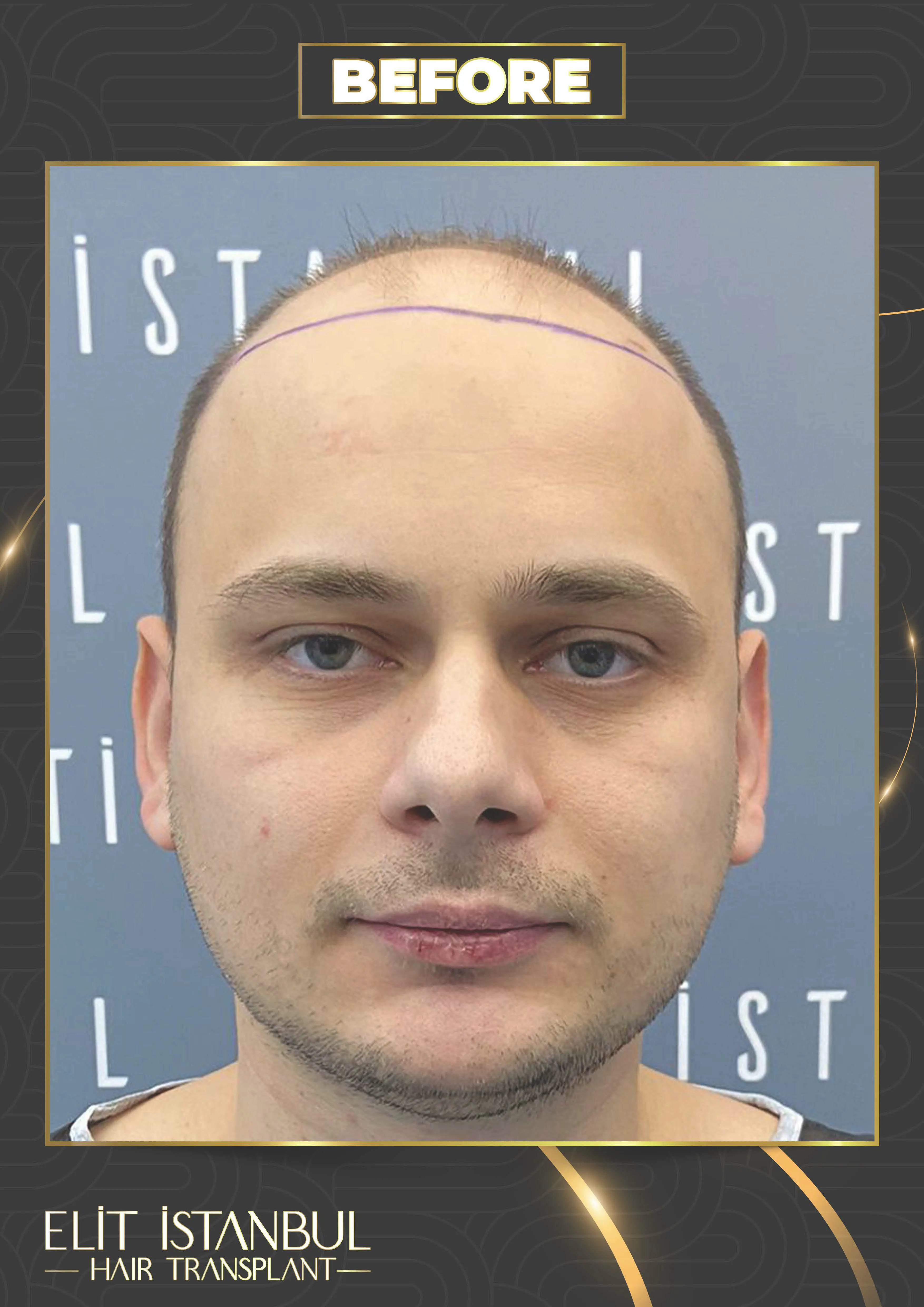
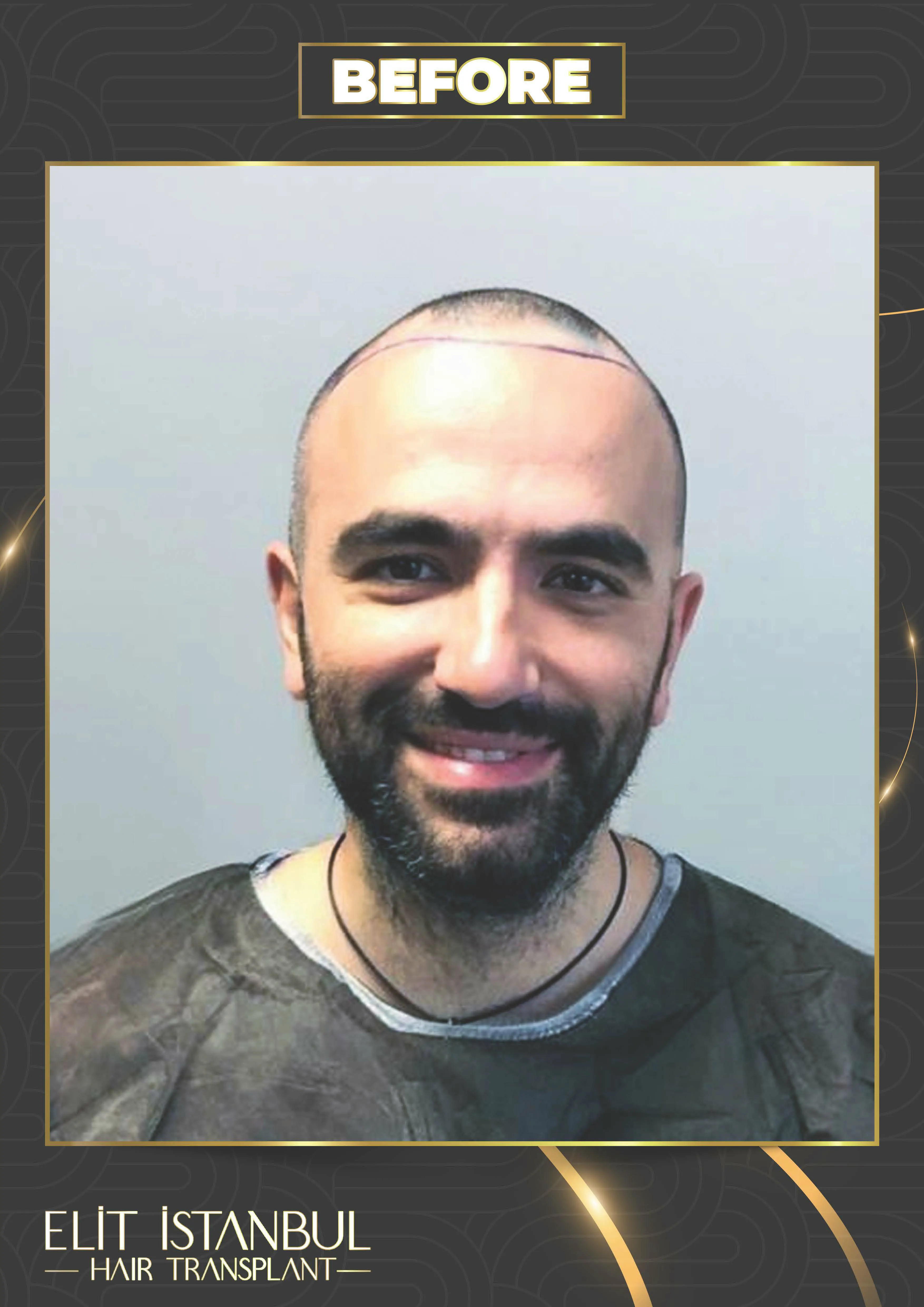
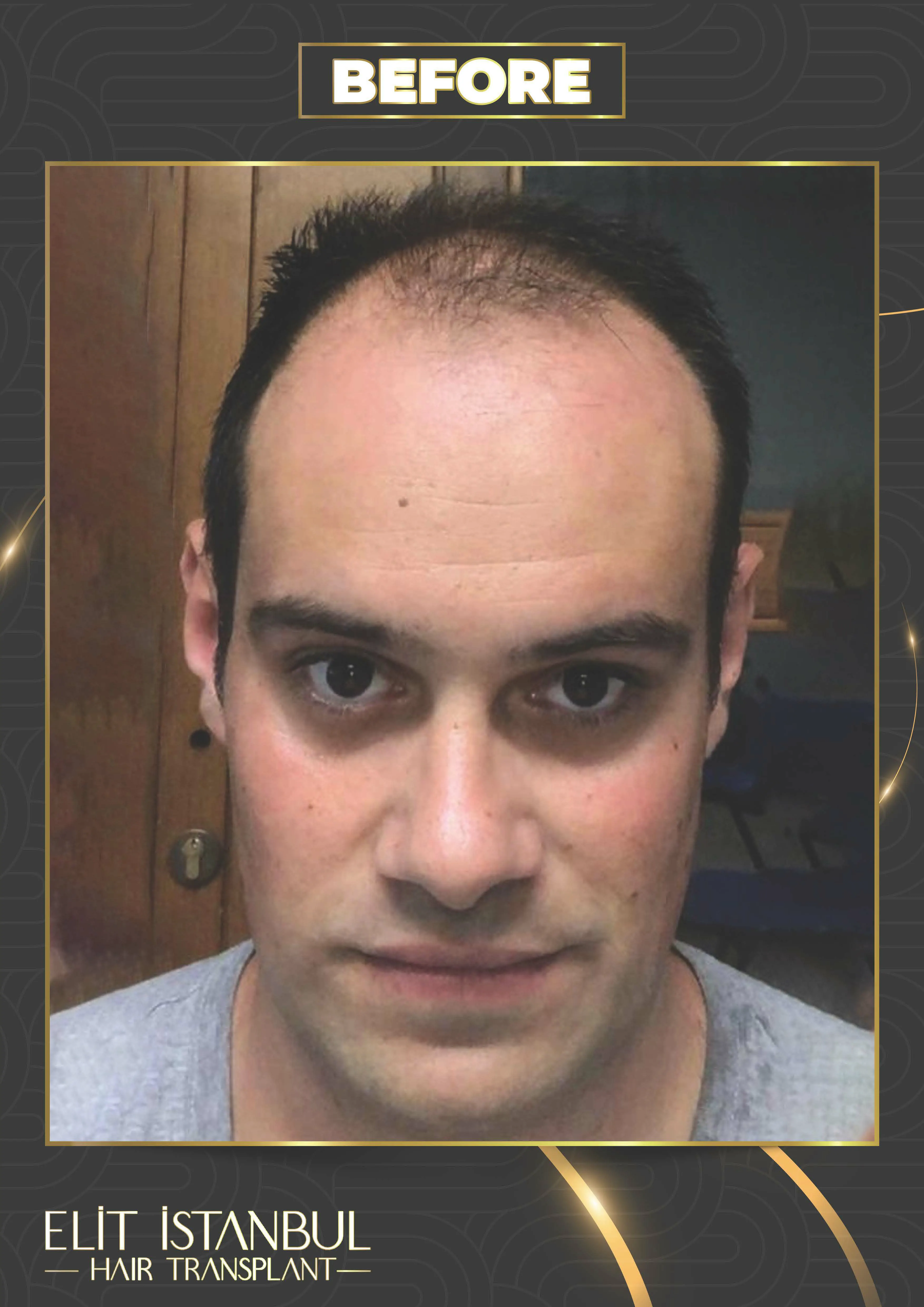
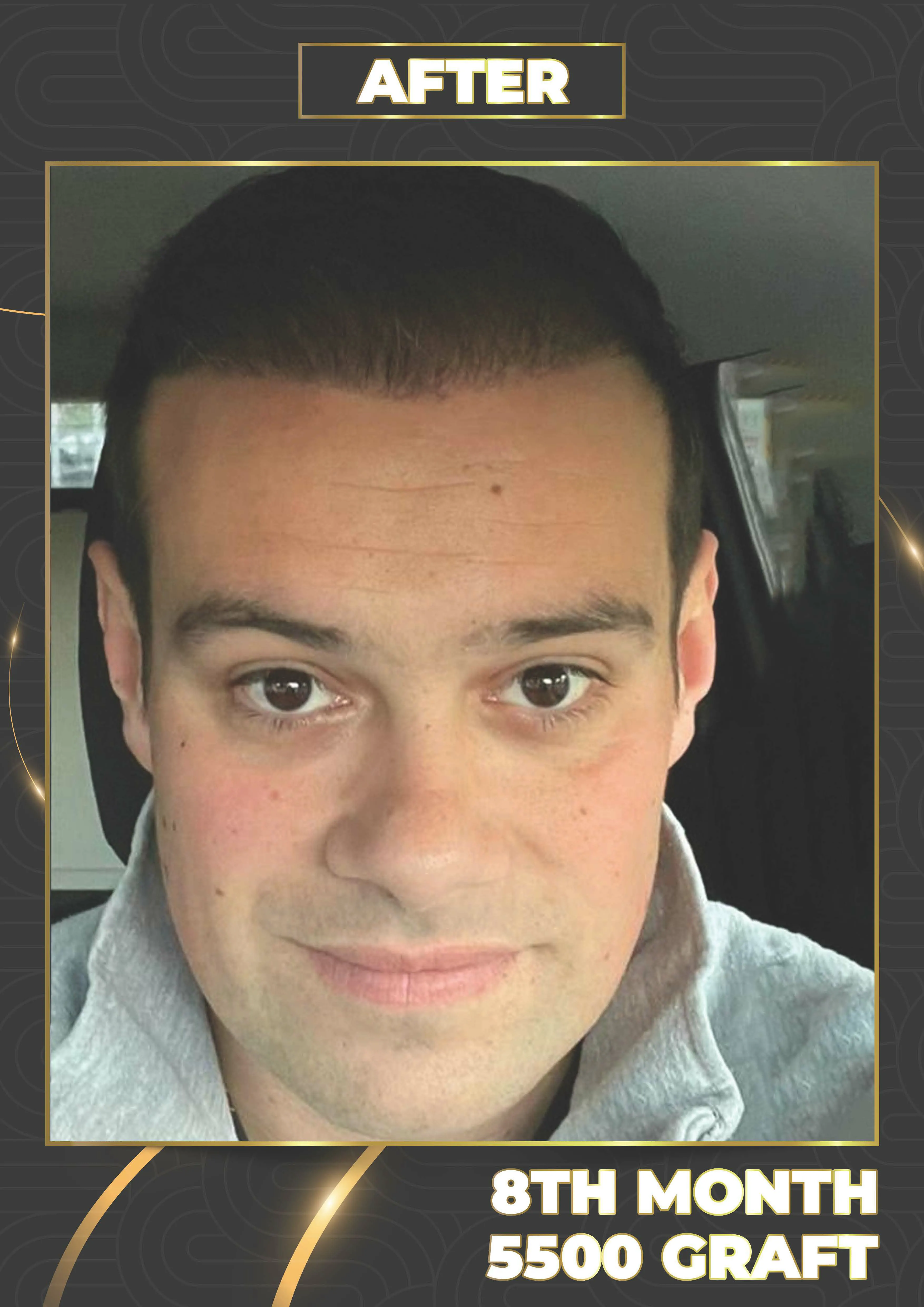
Before – After Gallery of Our Patients
All the images you see are from our patients who have given “image sharing permission”. Our results are 100% real. With our experienced and expert staff, we offer you a 98% successful hair transplantation service with the Hair Transplantation Procedure, which is specially designed for the person’s scalp, hair follicle and head structure.
Our Patient Interviews
We shoot interview videos with our patients who have achieved real results. You can find the videos of our patients who accepted the shooting on our YouTube channel. We would like to thank our patients who choose us.
Our Services
A hair transplant procedure can be conducted with sedation, where patients are administered mild sedatives to help them relax during the process. This ensures comfort without full unconsciousness, unlike general.
Stem cell hair transplantation uses stem cells to aid in regenerating hair growth. It’s a technique that harnesses the body’s natural healing processes to promote new hair growth.
Exosome hair transplantation involves using exosomes, which are tiny particles carrying growth factors, to stimulate hair growth and improve hair density.
Ozone hair transplantation uses ozone therapy to potentially enhance hair growth by improving blood circulation and reducing inflammation in the scalp.
Sapphire technique in hair transplantation involves using sapphire blades for creating recipient sites, potentially leading to more precise incisions and quicker healing.
FUE (Follicular Unit Extraction) technique involves individually extracting hair follicles from the donor area for transplantation, allowing for a minimally invasive procedure and natural-looking results.
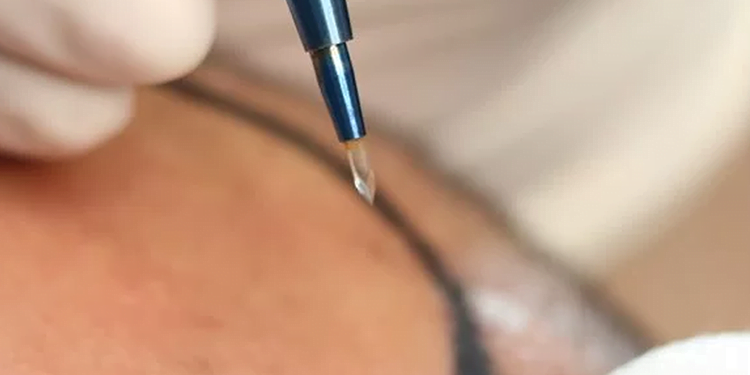
DHI-Choi technique in hair transplantation involves using a specialized pen-like tool to directly implant hair follicles into the recipient area, minimizing trauma and offering precise placement.
Frequently Asked Questions
Of course, hair transplantation can be done to the following people:
- Men and women experiencing hair loss.
- Areas injured or burned as a result of hair loss.
- For people who have experienced hair loss as a result of a surgical procedure.
- For those who experience hair loss as a result of illness or medical treatments.
- For those who want eyebrow or beard transplantation.
The correct hair transplantation technique is determined according to the patient’s hair structure, hair loss level, skin characteristics, head structure and the preferences of the person who wants to have the procedure.
Hair transplantation can generally take between 4 and 8 hours, but the time may vary depending on the number of grafts to be taken from the patient, the size of the area to be transplanted and the method applied.
Choosing the right hair transplant specialist and institution is very important. Hair transplantation does not harm health as long as it is performed by experienced experts in a sterile manner in a surgical environment. However, it requires good care and attention after the procedure.
Hair does not grow back in the area where the hair was removed; because when hair follicles are removed from this area, hair does not grow back from where those follicles are. It does not attract attention that hair is removed from the same area by an experienced hair transplantation specialist.
Most of your hair will fall out within 4 months after hair transplantation. However, in this case there is absolutely no need to worry. This is a very natural process.
Afterwards, much stronger and permanent hair growth begins from under your lost hair. When your hair in the transplanted area grows, you can now safely comb your permanent hair.
After hair transplantation, we have an expert patient consultant assigned specifically to you by our institution. The contact information of our patient consultant will be forwarded to you. You can clear your questions by calling us at any time. Our patient consultants are trained experts who can provide you with information and support.
Hair transplantation is generally done with these two main techniques:
- FUE (Follicular Unit Extraction) is a method used for hair transplantation. In this method, hair follicles are removed from the donor area one by one with special tools (usually micromotor or manual devices) and then placed in the area to be transplanted.
- DHI (Direct Hair Implantation) is a special technique for hair transplantation. In this method, hair follicles are placed directly into the area where they will be transplanted through a special device.
Hair transplantation is performed in a sterile surgical environment by a hair transplant specialist or plastic surgeon. It should be performed in a clinic or hospital that complies with adequate hygiene and surgical standards.
Since local anesthesia is usually used during the hair transplantation procedure, the feeling of pain is very minimal. The patient undergoing the procedure does not feel pain except for anesthesia.
Hair removal from the hair removal area is temporarily visible with minimal scars. However, these scars are covered with hair after a short time and do not attract attention. After 1 year, it cannot be understood by another person unless looked at very closely.
After a hair transplant, new hair usually begins to grow within 2 to 4 months, although full growth and results may take 12-18 months. The duration of hair growth and its full growth varies depending on the person’s body structure.
- Protect the top of the head (for example, use a hat or bandana).
- Avoid heavy exercise and strenuous activities.
- Use products specially produced for hair care.
- Take care of the healing process.
- Avoid touching the hair area.
Yes, women can have a hair transplant too. Hair transplantation can also be applied to women to treat hair loss or correct the hairline. However, since the causes of hair loss in women may be different from those in men, it is very important to consult with a hair transplant specialist to determine appropriate treatment options.
- How Can I Know If I Am Suitable For Hair Transplantation?
- Maximum Number of Grafts Can Be Transplanted at a Time?
- What Should I Pay Attention to Before Hair Transplantation?
- Will My Face Swell After Hair Transplantation?
- How Much Hair Do I Need to Transplant?
- Can My Friends Understand That I Had a Hair Transplant?
- How Many Days Do I Need to Stay for Hair Transplant?
- Will All the Spaces in My Head Be Filled After Hair Transplantation?
- How Will the Process Work When I Come to Istanbul Turkey?
- How many grafts will be removed from me?
- Do you help with transfer and accommodation?
- In How Many Days Will It Take for Me to Recover Fully?